
How to Improve Surface Grinding Accuracy and Surface Finish Quality | Surface Grinding Machine Guide
Introduction
Surface grinding accuracy and surface finish quality are critical factors in precision manufacturing. A high-quality surface grinding machine can achieve excellent dimensional accuracy and smooth surface finishing, but the final result depends on machine condition, tooling, setup, and operation.
This article explains how to improve surface grinding accuracy and achieve better grinding surface finish quality in real production applications.
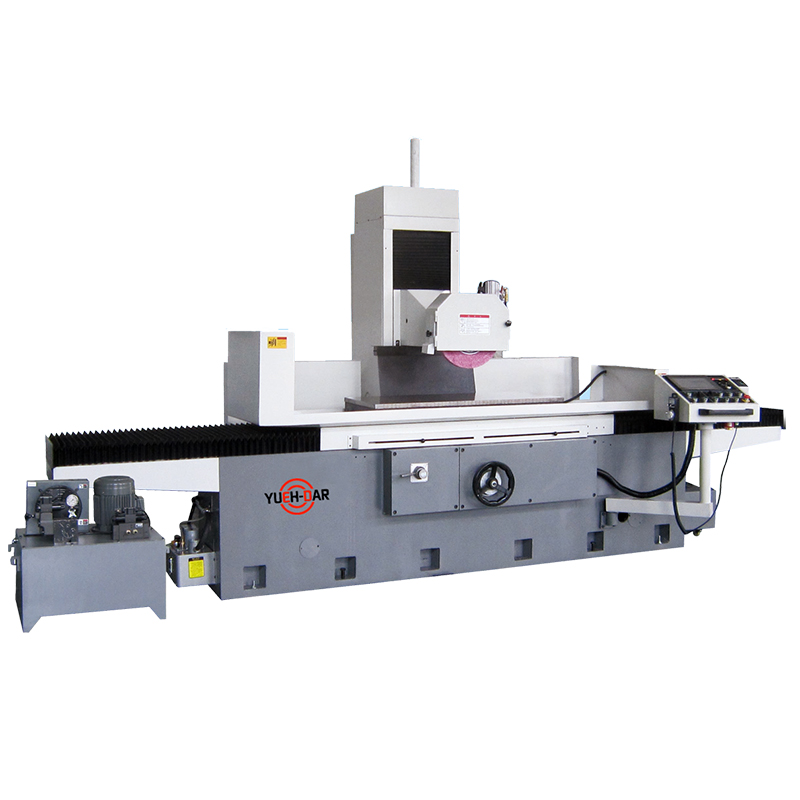
1. Machine Rigidity and Structural Stability
Machine rigidity is the foundation of surface grinding machine accuracy.
A stable machine structure helps reduce vibration and ensures consistent grinding performance.
Key factors include:
- Heavy-duty machine base
- Stable column and saddle design
- Low vibration structure
Poor rigidity may cause:
- Chatter marks on workpiece
- Poor surface finish
- Reduced grinding accuracy
2. Grinding Wheel Selection and Dressing
Grinding wheel condition directly affects surface finish quality.
Important factors include:
- Proper abrasive grain size
- Suitable wheel hardness
- Correct wheel dressing process
Regular dressing ensures:
- Sharp cutting edges
- Lower heat generation
- Stable grinding performance
A well-maintained wheel significantly improves surface grinding accuracy.
3. Machine Alignment and Calibration
Proper alignment is essential for precision grinding.
Key inspection items include:
- Table parallelism
- Spindle accuracy
- Guideway straightness
Even small errors may result in:
- Uneven grinding surfaces
- Dimensional deviation
- Reduced machining precision
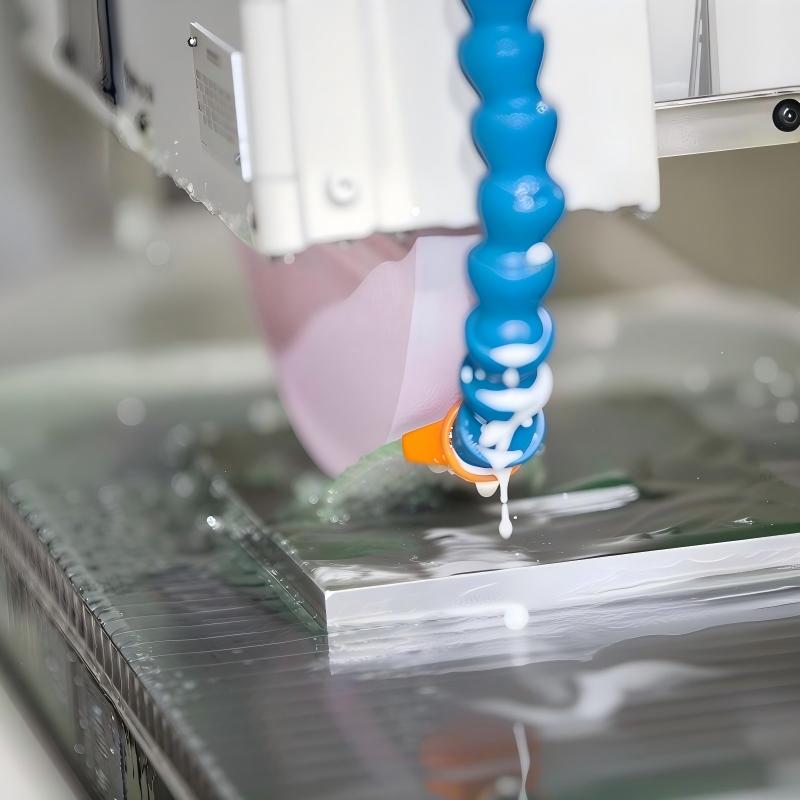
4. Coolant System and Filtration
A stable coolant system is important for grinding quality.
Functions of coolant include:
- Reducing thermal deformation
- Improving surface finish
- Extending grinding wheel life
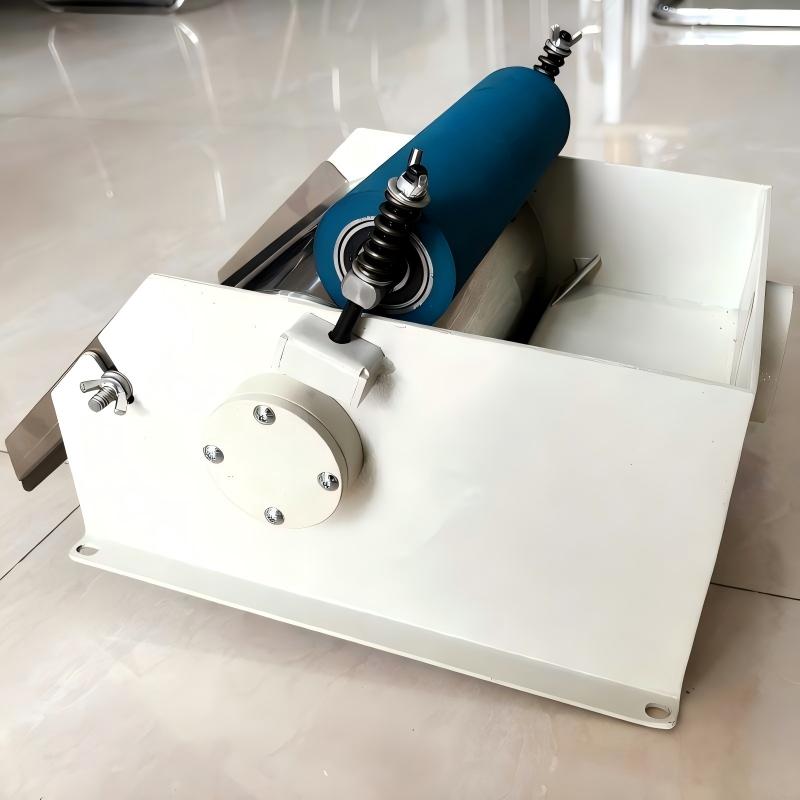
Recommended systems include:
- Magnetic coolant separator
- Paper belt filtration system
Clean coolant ensures stable surface grinding performance.
5. Grinding Parameters and Operation Skills
Correct parameter settings are key to achieving high precision.
Important parameters include:
- Feed speed
- Grinding depth
- Wheel speed
Best practices:
- Use small depth of cut for finishing
- Avoid excessive feed rate
- Maintain stable cutting conditions
Operator experience has a direct impact on final surface finish quality.
6. Machine Maintenance and Lubrication
Regular maintenance ensures long-term surface grinding machine accuracy.
Key systems include:
- Automatic central lubrication system
- Guideway lubrication system
- Hydraulic system stability
Proper lubrication reduces wear and improves machine stability.
7. Environmental Conditions
Workshop environment also affects grinding results.
Avoid:
- Temperature fluctuations
- Excessive dust
- Machine foundation instability
Stable environmental conditions help maintain consistent machining accuracy.
Conclusion
Improving surface grinding accuracy and surface finish quality requires a combination of machine rigidity, grinding wheel condition, coolant system, operator skill, and proper maintenance.
A well-configured surface grinding machine ensures high precision, stable performance, and excellent surface finishing results.
FAQ
What affects surface grinding accuracy?
Machine rigidity, grinding wheel condition, machine alignment, coolant quality, and operating parameters all affect surface grinding accuracy. Proper maintenance is also essential for long-term precision.
How can I improve surface finish quality in grinding?
Surface finish quality can be improved by selecting the proper grinding wheel, performing regular wheel dressing, using suitable feed rates, and maintaining stable machine conditions.
Why is coolant filtration important for surface grinding?
A clean coolant system helps reduce heat generation, improve surface finish quality, extend grinding wheel life, and maintain consistent grinding accuracy.
How often should a grinding wheel be dressed?
The dressing frequency depends on the workpiece material, grinding conditions, and required surface finish. Regular dressing helps maintain wheel sharpness and stable grinding performance.
What is the difference between hydraulic and CNC surface grinding machines?
Hydraulic surface grinders are suitable for general grinding applications and offer simple operation, while CNC surface grinding machines provide higher automation, repeatability, and precision for complex machining tasks.
Request a Quote
Looking for a precision surface grinding machine for your application?
Our team can help you select the most suitable machine based on your workpiece size, accuracy requirements, and production needs.
Or contact us directly to discuss your grinding requirements.