
What Is a Surface Grinding Machine? Process, Applications and Benefits
Surface grinding is one of the most widely used machining processes for producing flat, smooth, and highly accurate surfaces. It plays a critical role in industries that require precision components, including mold manufacturing, automotive parts, tooling, aerospace, and general engineering.
This article explains what a surface grinding machine is, how it works, its common applications, and the benefits it offers.
What Is a Surface Grinding Machine?
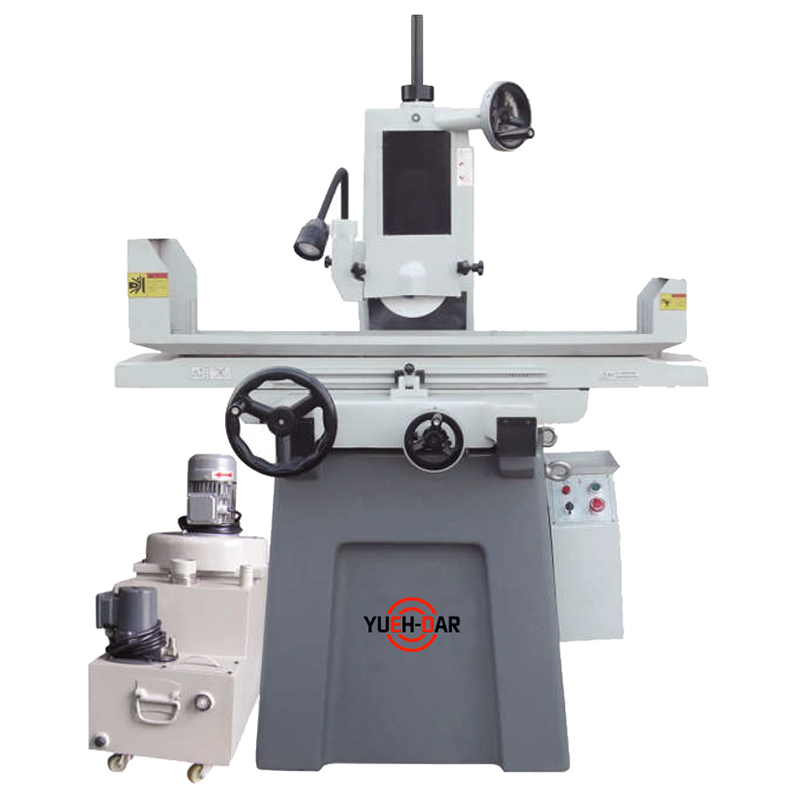
A surface grinding machine is a precision machine tool that removes material from a workpiece using a rotating abrasive grinding wheel.
The workpiece is typically held on a magnetic chuck while the grinding wheel moves across the surface to achieve the desired flatness, dimensional accuracy, and surface finish.
Surface grinding machines are commonly used for machining:
- Mold components
- Machine parts
- Tooling and dies
- Precision metal components
- Hardened steel parts
How Does Surface Grinding Work?
The grinding wheel rotates at high speed while the workpiece is secured on the machine table.
During operation:
- The workpiece is fixed on the magnetic chuck.
- The table moves longitudinally.
- The grinding wheel removes a small amount of material during each pass.
- Repeated passes gradually achieve the required dimension and finish.
The process allows manufacturers to achieve excellent flatness and tight tolerances.
Main Applications of Surface Grinding
Mold and Die Manufacturing
Surface grinding is widely used to finish mold bases, inserts, and precision tooling components.
Automotive Industry
Precision ground components are commonly found in engines, transmissions, and braking systems.
Tool Manufacturing
Cutting tools, fixtures, and gauges often require surface grinding to achieve precise dimensions.
General Precision Engineering
Many machine components require accurate flat surfaces for assembly and performance.
Benefits of Surface Grinding
High Accuracy
Surface grinding can achieve very tight dimensional tolerances and excellent flatness.
Superior Surface Finish
The grinding process produces smooth and consistent surfaces suitable for demanding applications.
Material Versatility
Surface grinding can be used on:
- Tool steel
- Hardened steel
- Stainless steel
- Cast iron
- Non-ferrous metals
Improved Product Quality
Accurate grinding helps ensure better assembly, performance, and product reliability.
Types of Surface Grinding Machines
Common types include:
Saddle-Type Surface Grinders
Suitable for general precision grinding applications and small to medium workpieces.
Column-Type Surface Grinders
Designed for larger workpieces and higher rigidity requirements.
Rotary Surface Grinders
Ideal for efficient grinding of circular components and high-production applications.
Conclusion
A surface grinding machine is an essential tool for producing flat, precise, and high-quality surfaces across a wide range of industries. By understanding how surface grinding works and where it is applied, manufacturers can select the most suitable grinding solution for their production needs.
If you are looking for a reliable surface grinding machine, explore our machine range or contact us for professional recommendations.
Related Article: How to Choose a Surface Grinding Machine for Your Application
Request a Quote
Looking for a precision surface grinding machine for your application?
Our team can help you select the most suitable machine based on your workpiece size, accuracy requirements, and production needs.
Or contact us directly to discuss your grinding requirements.