
How to Choose a Surface Grinding Machine for Your Application
Selecting the right surface grinding machine is essential for achieving the required accuracy, productivity, and surface finish. Whether you are machining mold components, machine parts, tooling, or precision metal components, choosing the correct grinder can significantly improve efficiency and reduce production costs.
This guide explains the key factors to consider when selecting a surface grinding machine for your application.
What Is a Surface Grinding Machine?
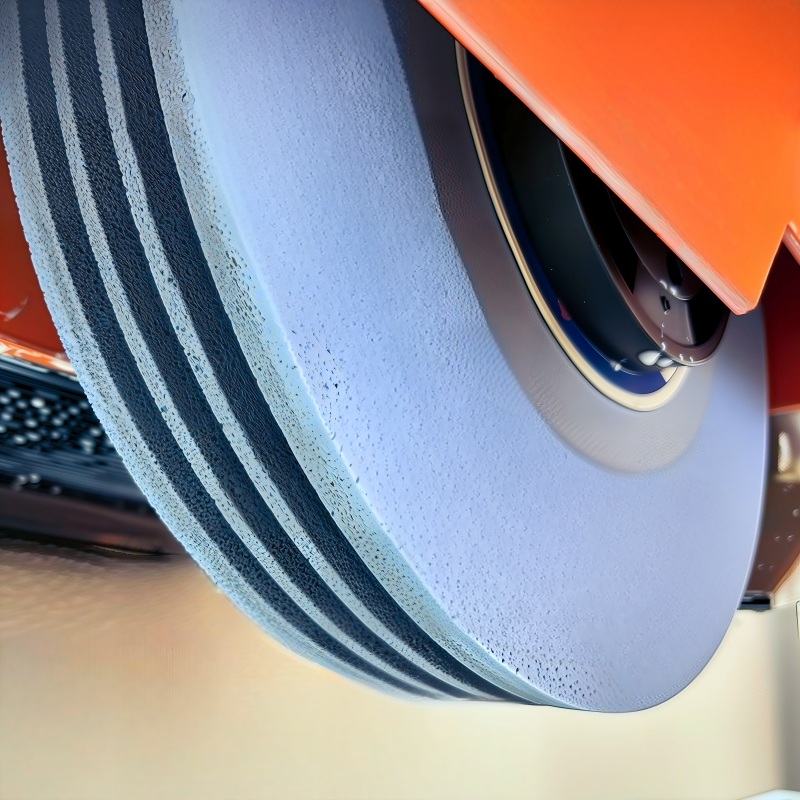
A surface grinding machine is designed to produce smooth and accurate flat surfaces by removing material with a rotating grinding wheel. It is widely used in industries such as mold manufacturing, automotive components, precision machinery, aerospace, and tool making.
Surface grinding machines are valued for their ability to achieve tight tolerances and excellent surface finishes.
Key Factors to Consider
1. Workpiece Size
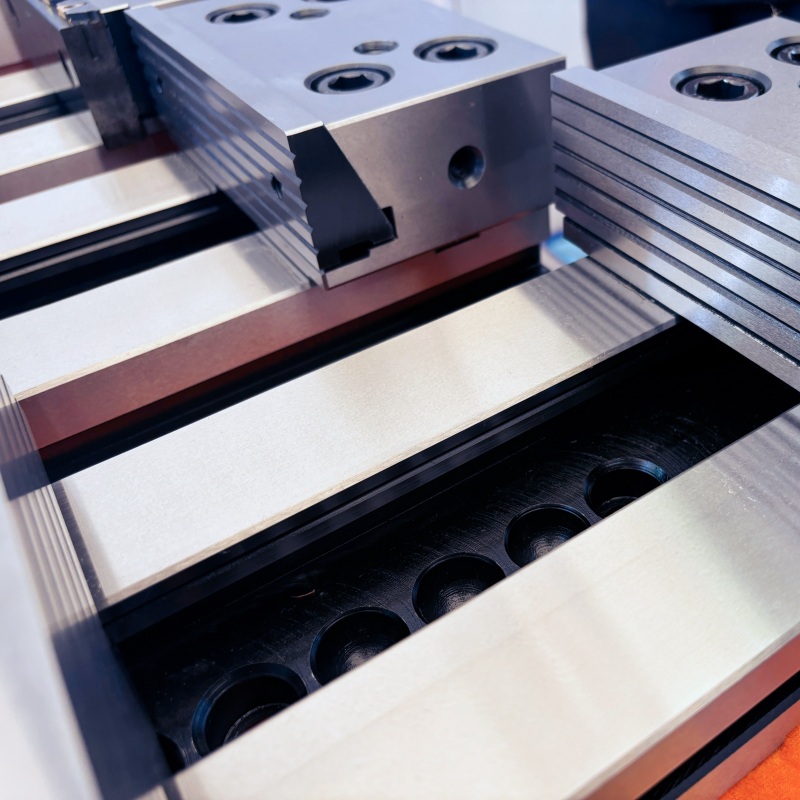
The size of your workpiece determines the required table size and grinding capacity.
Before selecting a machine, consider:
- Maximum workpiece length
- Maximum workpiece width
- Maximum workpiece weight
Choosing a machine with adequate capacity ensures stable operation and future production flexibility.
2. Required Accuracy
Different applications require different levels of precision.
For general machining applications, standard surface grinders may be sufficient. For precision molds, tooling, and high-accuracy components, a machine with superior rigidity, precision guideways, and stable spindle performance is recommended.
Important factors affecting accuracy include:
- Machine structure
- Spindle quality
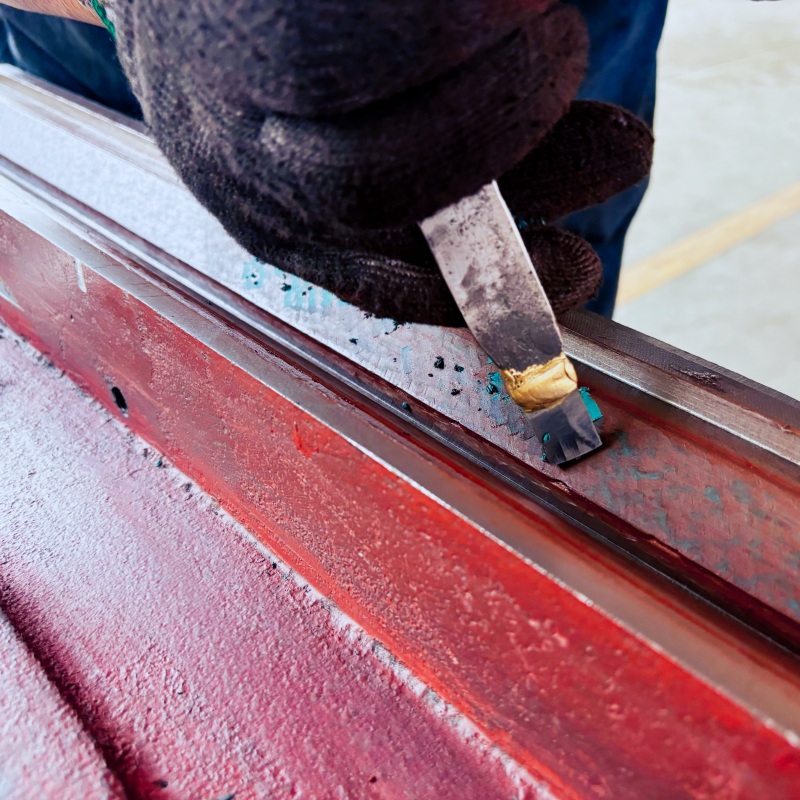
- Guideway design
- Thermal stability
3. Production Volume
Production requirements influence the level of automation needed.
For small-batch production, manual or semi-automatic machines may be suitable.
For medium and high-volume production, hydraulic surface grinding machines can improve productivity and reduce operator workload.
4. Material Type
Different materials require different grinding conditions.
Common materials include:
- Tool steel
- Hardened steel
- Stainless steel
- Cast iron
- Aluminum alloys
The grinding wheel specification, spindle performance, and coolant system should be selected according to the material being processed.
Hydraulic vs. Manual Surface Grinding Machines
Manual Surface Grinders
Advantages:
- Lower investment cost
- Simple operation
- Suitable for maintenance workshops and small production runs
Limitations:
- Lower productivity
- More operator involvement required
Hydraulic Surface Grinders
Advantages:
- Stable table movement
- Higher efficiency
- Better consistency
- Reduced operator fatigue
Hydraulic machines are often preferred for continuous production and precision applications.
Common Mistakes When Selecting a Surface Grinder
Many buyers focus only on machine size or price. However, several factors are equally important:
- Ignoring future production requirements
- Selecting insufficient table capacity
- Overlooking spindle performance
- Choosing the wrong grinding wheel configuration
- Neglecting machine rigidity and stability
Evaluating the complete application helps avoid costly mistakes and ensures long-term performance.
Conclusion
Choosing the right surface grinding machine requires careful consideration of workpiece size, required accuracy, production volume, and material type. A well-matched machine improves machining quality, increases productivity, and provides long-term reliability.
If you are unsure which model best suits your application, our team can help evaluate your requirements and recommend the most suitable surface grinding solution.
Request a Quote
Looking for a precision surface grinding machine for your application?
Our team can help you select the most suitable machine based on your workpiece size, accuracy requirements, and production needs.
Or contact us directly to discuss your grinding requirements.